TCM in Singapore: What to Know Before Your First Visit
Thinking of trying Traditional Chinese Medicine (TCM) but not sure what to expect?
Whether you're exploring TCM for general wellness or seeking advice about a particular health concern, visiting a TCM clinic for the first time can raise plenty of questions.
What happens during a consultation? Will you need acupuncture? How do you know whether a practitioner is qualified?
Here's what to know before your first TCM visit in Singapore.
1. What Is Traditional Chinese Medicine (TCM)?
Traditional Chinese Medicine, commonly known as TCM, is a healthcare system with a long history rooted in Chinese medical traditions.
In Singapore, TCM practitioners may provide services such as consultations, acupuncture, herbal medicine and other traditional treatment approaches, depending on their qualifications and scope of practice.
TCM approaches health differently from conventional Western medicine. Its traditional concepts and diagnostic methods should not be assumed to have the same scientific basis as modern medical assessments.
The effectiveness and risks of specific TCM treatments vary, so it's important to understand what is being recommended before proceeding.
2. What Happens During Your First TCM Consultation?
Your first visit will typically begin with a discussion about your health concerns.
A TCM practitioner may ask about your symptoms, medical history, lifestyle, sleep, appetite and other aspects of your wellbeing.
Depending on the practitioner and your concerns, the consultation may also include traditional assessment methods such as observing your tongue or checking your pulse.
These are part of traditional TCM practice and should not be treated as substitutes for medically indicated diagnostic tests.
Tip: Bring along a list of medications, supplements and existing medical conditions so the practitioner can consider potential safety concerns.
3. Does Every TCM Visit Involve Acupuncture?
Not necessarily.
TCM clinics may offer different treatment approaches, including:
- Acupuncture: The insertion of fine needles at selected points on the body.
- Chinese herbal medicine: Traditional herbal preparations prescribed according to the practitioner's assessment.
- Tui Na: A form of traditional Chinese therapeutic massage.
- Cupping: A technique that uses suction cups on the skin.
Not every clinic provides every treatment, and not every treatment is appropriate for every patient.
Some treatments may cause side effects or interact with existing medications. Discuss the potential benefits, limitations and risks before starting.
4. How Do You Check Whether a TCM Practitioner Is Registered in Singapore?
In Singapore, TCM practitioners are regulated under the Traditional Chinese Medicine Practitioners Act.
Before your visit, you can check a practitioner's registration through the official TCM Practitioners Board.
Registration is an important consideration, but it does not guarantee a particular treatment outcome.
You should also feel comfortable asking about the practitioner's experience, proposed treatment and whether another form of medical assessment may be more appropriate.
5. How Much Does a TCM Consultation Cost?
TCM fees can vary depending on the clinic, practitioner and services provided.
A consultation fee may not include additional treatments or prescribed herbal medicines.
Before your visit, consider checking:
- The initial consultation fee
- Additional treatment charges
- Costs of prescribed herbal medicine
- Whether follow-up visits are recommended
- Available payment methods and applicable benefits
Understanding the fees beforehand can help you plan your visit and avoid unexpected expenses.
6. Can You Visit a TCM Clinic Without an Appointment?
That depends on the clinic.
Some TCM providers may accept walk-ins, while others operate through scheduled appointments.
Before heading down, check the clinic's operating hours, appointment requirements and available services.
If you're visiting for the first time, you may also want to ask how much time to allow for your consultation.
Planning ahead can make the experience more convenient.
7. Choosing a TCM Clinic in Singapore
The right TCM clinic isn't necessarily the closest or most heavily advertised.
Consider whether the clinic provides clear information about its practitioners, services, fees and appointment arrangements.
A responsible practitioner should explain the proposed treatment, discuss relevant risks and recognise when conventional medical assessment or referral is needed.
Be cautious of guaranteed cures or claims that a treatment can replace necessary medical care.
If you have persistent, worsening or unexplained symptoms, seek appropriate medical evaluation rather than delaying diagnosis.
8. Discover Participating TCM Clinics on ClynicQ
Finding a suitable clinic is one part of the process. Planning your visit is another.
ClynicQ connects patients with participating healthcare providers, including appointment-based clinics.
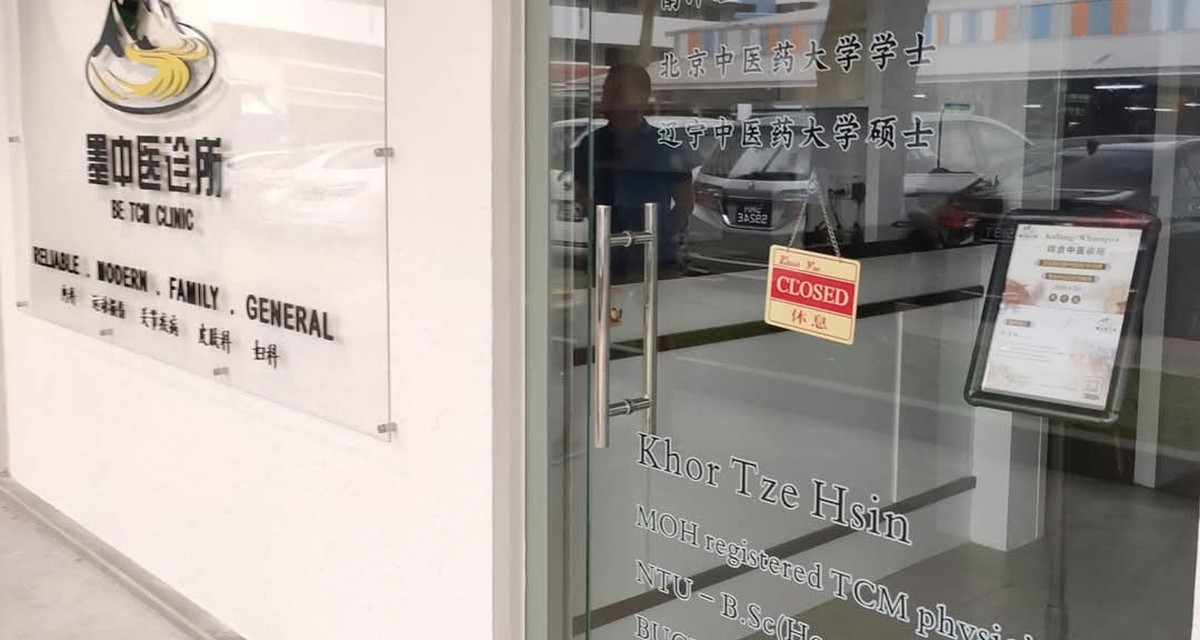
BeTCM is one of the TCM clinics participating on ClynicQ.
You can explore BeTCM's clinic information and check the available visit arrangements through its ClynicQ landing page.
You can also browse other participating clinics under the TCM category on ClynicQ.
Your First TCM Visit Starts with an Informed Choice
Trying a new healthcare service doesn't have to be confusing.
Take time to understand the practitioner's qualifications, the treatments offered, their potential risks and the expected costs.
Whether you're considering TCM for the first time or looking for a different provider, making an informed choice is more important than following trends or promotional claims.
This article is intended for general educational purposes and does not constitute medical advice. TCM treatments may not be suitable for everyone. Consult an appropriately qualified healthcare professional about your individual circumstances. Do not discontinue prescribed medication or delay necessary medical care without professional advice.